Introduction
When it comes to home improvement, few projects are as crucial as roofing. Your roof is your home's first line of defense against the elements, ensuring safety and comfort for you and your loved ones. However, hiring the right roofer can feel like searching for a needle in a haystack. With so many options out there, how do you know who to trust? That's where asking the right questions becomes imperative.
In this article, we’ll delve into the Top 10 Questions to Ask Before Hiring a Roofer. From verifying credentials to understanding warranty details, these questions will help you make an informed decision. So grab a cup of coffee, settle in, and let’s get started on making your roofing experience as smooth as possible!
Top 10 Questions to Ask Before Hiring a Roofer
1. Are You Licensed and Insured?
One of the first things you should ask a potential roofer is whether they have the proper licensing and insurance.
- Why is this important? A licensed roofer has demonstrated knowledge and competence in their trade. Insurance protects both you and the contractor from any mishaps that could occur during the project. What should I look for? Request copies of their license and insurance certificates. Verify that they are valid and up-to-date.
2. How Long Have You Been in Business?
Experience matters!
- Why ask this question? A company that’s been around for several years is likely stable and has built a reputation in your community. What’s considered ‘long enough’? Generally, look for at least five years in business, but longer is often better.
3. Can You Provide References?
A reputable roofer should be able to provide references from past clients.
- What should I ask those references? Inquire about their experience with the contractor, the quality of work performed, adherence to deadlines, and overall satisfaction.
4. What Types of Roofing Materials Do You Offer?
Different roofs require different materials; it's essential to know what options you'll have.
- Why does it matter? The material can affect durability, maintenance needs, aesthetic appeal, and cost. What should I consider? Look for options in terms of asphalt shingles, metal roofing, tile roofing, etc., based on your budget and climate conditions.
5. Do You Offer Written Estimates?
A written estimate is crucial for transparency.
- Why request this? It protects both parties by providing a clear scope of work along with costs involved. What should be included in an estimate? Labor costs, material costs, start/end dates, cleanup fees—everything!
6. What Is Your Warranty Policy?
Warranties can vary significantly between roofers.

- Why inquire about warranty details? A solid warranty provides peace of mind regarding future repairs or issues related to workmanship. What types of warranties exist? There are manufacturer warranties covering materials and workmanship warranties covering labor—understand both!
7. How Will You Handle Unexpected Issues?
Every roofing job can uncover unforeseen problems; knowing how your contractor handles these is vital.
- Why is this important? Understanding their process ensures you’re not caught off guard if complications arise during installation or repair.
8. What Is Your Safety Protocol?
Safety should be a priority on every job site.
- Why ask about safety protocols? It reflects the professionalism of the contractor as well as their commitment to protecting workers and property alike.
9. Will You Be Using Subcontractors?
Many contractors hire subcontractors for various tasks—understanding this can help clarify who will be working on your roof.
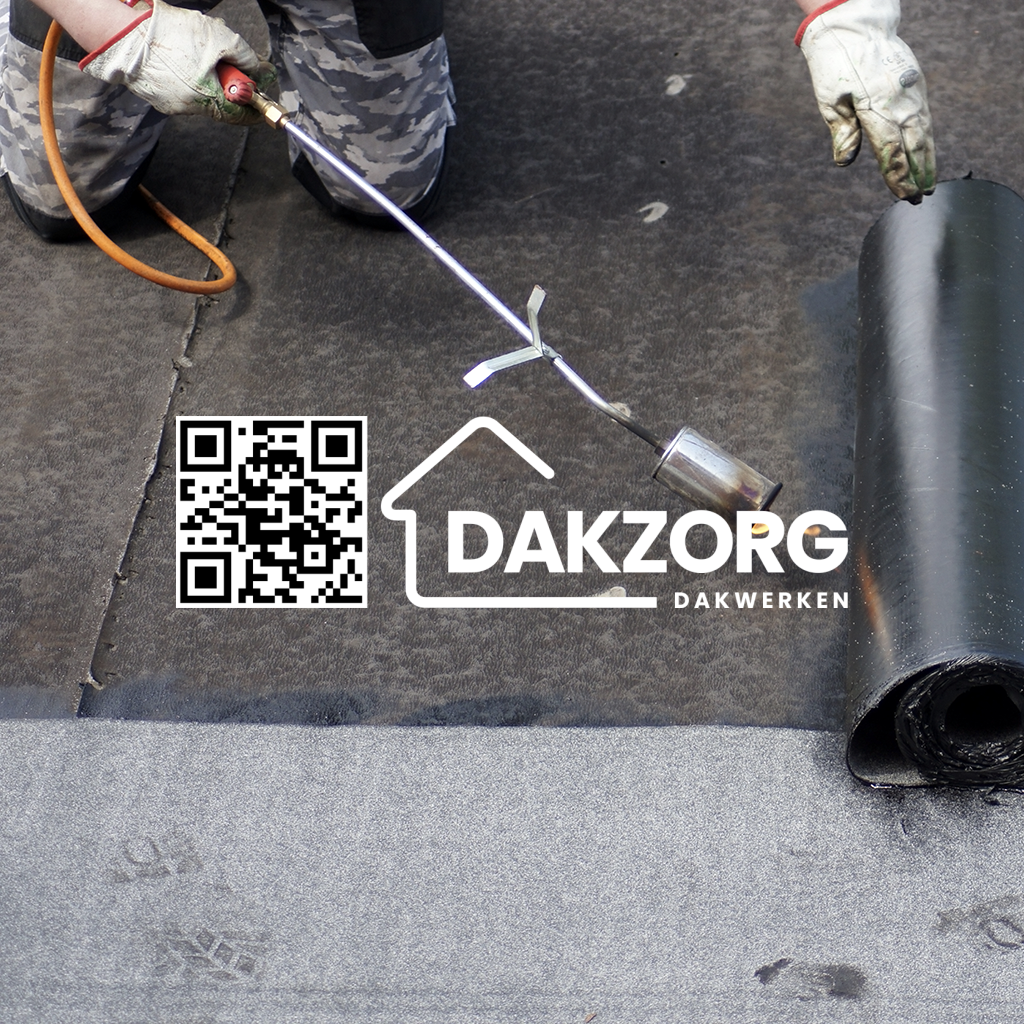
- Why does it matter if they use subcontractors? If they do use them, ensuring that they're also licensed and insured is crucial for maintaining quality standards throughout your project.
10. What Is Your Timeline for Completion?
Understanding timeframes helps set expectations on when you can expect your new roof or repairs to be finished.
- Why ask about timelines? Knowing how long the project will take allows you to plan accordingly—both financially and logistically—for other home improvements or living arrangements during construction if necessary.
FAQs
1. How do I determine if a roofer is reputable?
To determine if a roofer is reputable:
- Check online reviews Ask for references Confirm their licensing and insurance
2. What happens if my roof has unexpected damage during repair or replacement?
Most reputable roofers will evaluate unexpected damage upon discovery and communicate necessary changes before proceeding with additional costs or repairs needed.
3. Can I negotiate prices with my roofer?
Yes! It's perfectly reasonable to discuss pricing with multiple contractors to find one that fits within your budget while still offering quality work.
4. Is it advisable to pay upfront before work begins?
You should avoid paying more than a small deposit upfront (typically roofing company Arnhem no more than 10%–15%). Ensure payments are structured based on milestones achieved.
5. How long does it usually take to replace a roof completely?
The timeline depends on various factors including roof size/type but generally ranges from one day up to several weeks.
6. ***Do all roofing materials require extensive maintenance over time?
While some materials may need more upkeep than others (like wood shakes), many modern materials such as asphalt shingles are designed for longevity with minimal maintenance.
Conclusion
Choosing the right roofer isn’t just about getting someone who can slap some shingles on your house; it’s about finding someone you trust completely with one of your most significant investments—your home! By asking these Top 10 Questions Before Hiring a Roofer, you're not only protecting yourself but ensuring that you’re selecting someone who aligns with your expectations regarding quality work and reliability.
So remember: don’t rush into hiring anyone without doing your homework! Take these questions seriously; they’ll guide you toward finding not just any roofer but the right roofer for your needs!
In summary:
1) Verify licensing & insurance 2) Assess experience level 3) Seek references 4) Understand material options 5) Request detailed estimates 6) Clarify warranty policies 7) Discuss handling unexpected issues 8) Inquire about safety protocols 9) Identify subcontractor usage 10) Confirm completion timelines
With these tips under your belt, you're well-equipped to tackle whatever roofing challenge lies ahead! Happy roofing!